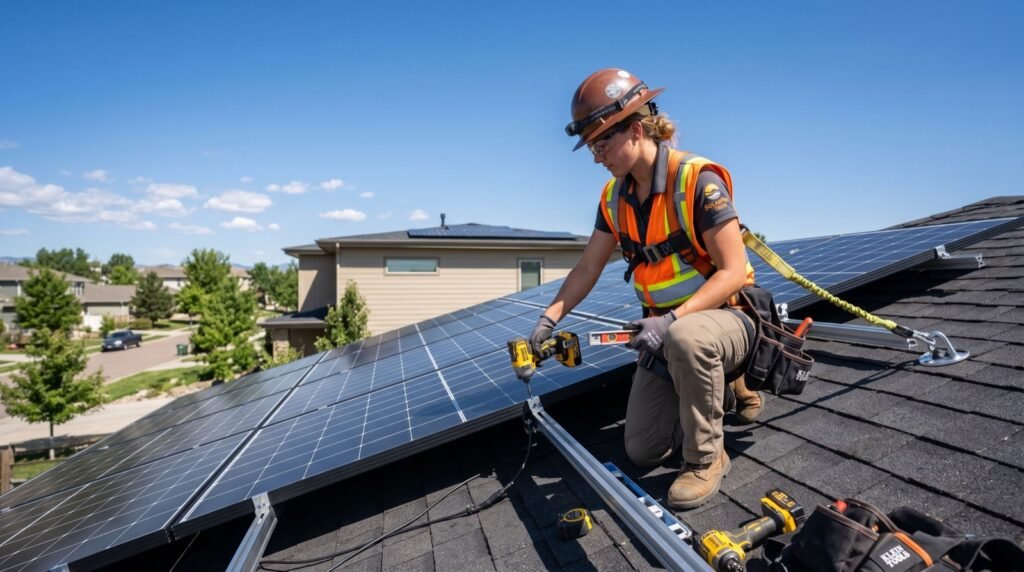
Solar Accessories in Pakistan: The Small Parts That Save Systems
Everyone talks about panels and inverters, yet the difference between a system that lasts a decade and one that fails in two years often comes down to solar accessories in Pakistan — the cables, connectors, protection devices, and mounts that rarely make the marketing brochure. These “small parts” carry every ampere your array produces and stand between your expensive equipment and a lightning strike, a rodent, or a loose joint.
In 2026, as more homes and businesses go solar, poor accessories have become the leading cause of underperformance and fire risk. This guide breaks down each category, explains why it matters, and shows how to spec accessories that protect your investment.
Why Solar Accessories in Pakistan Deserve Real Attention
Accessories are where corner-cutting hides. A quality panel means little if it feeds through undersized cable and a cheap connector that melts under the summer sun. When you shop for solar accessories in Pakistan, you are really buying reliability, safety, and long-term efficiency — not just hardware.
- Correctly rated cable minimises resistive losses and heat.
- Sealed connectors prevent corrosion and arc faults.
- Surge and breaker protection guards against lightning and faults.
- Proper mounting keeps panels safe in high winds.
You can source a full range of solar accessories in Pakistan from a specialist supplier, which is safer than mixing unbranded parts from a general electrical shop.
The Accessory Categories You Cannot Ignore
1. Cables and connectors
Solar-rated DC cable is UV-resistant and sized for the current it carries. Pair it with genuine MC4 connectors, crimped with the correct tool — not twisted and taped. A single poor crimp creates a hot spot that can arc.
2. Protection devices
DC and AC surge protection devices, fuses, and circuit breakers isolate faults before they damage the inverter or cause a fire. In lightning-prone regions, surge protection is non-negotiable.
3. Mounting and structure
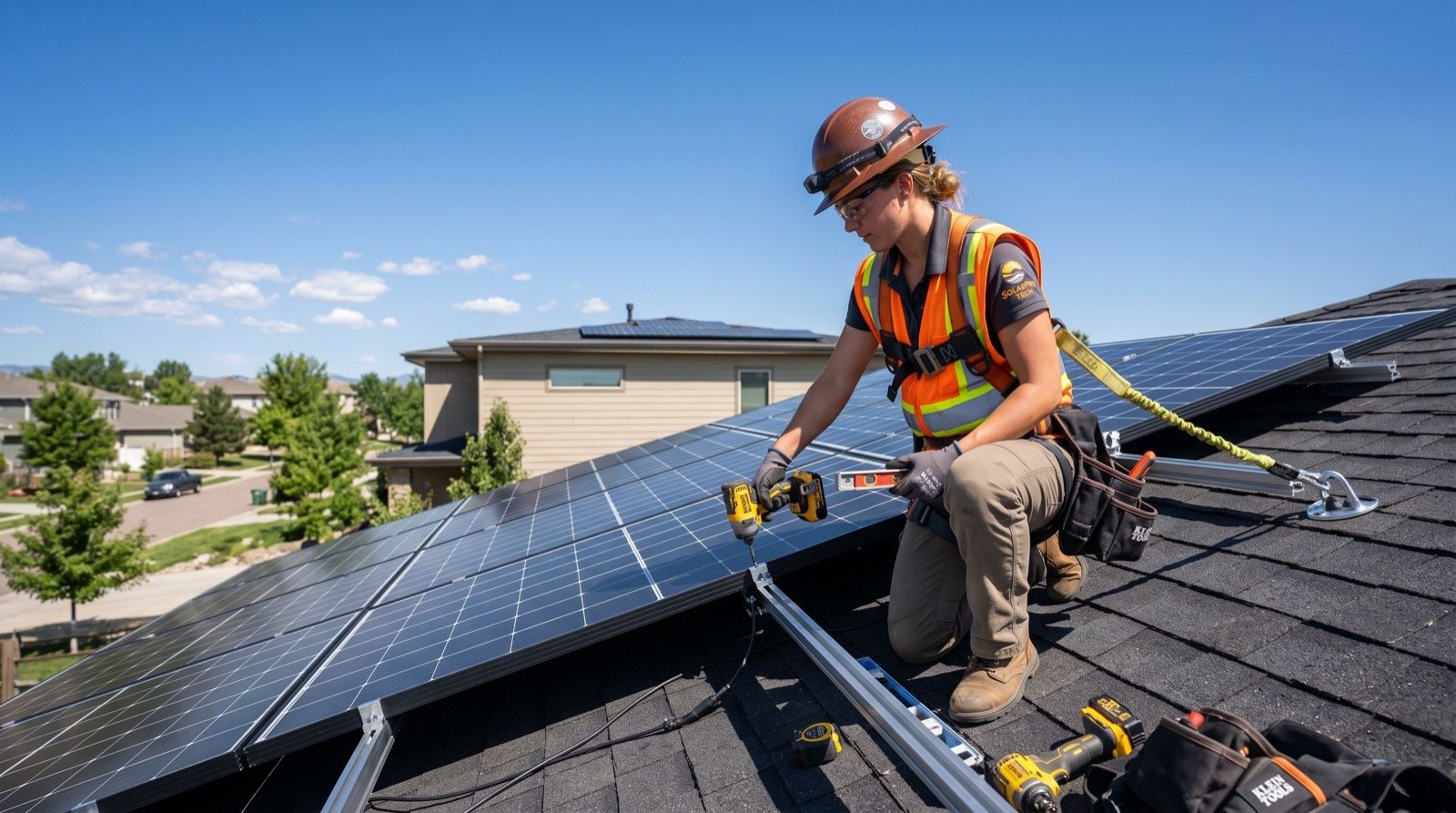
Aluminium rails, clamps, and rust-resistant fasteners hold panels at the right tilt and survive monsoon winds. Weak mounts flex, crack glass, and void panel warranties.
Accessory Spec Comparison
| Accessory | Cheap Option Risk | Quality Choice |
|---|---|---|
| DC cable | Overheats, high loss | UV-rated, correctly sized |
| Connectors | Arc faults, corrosion | Genuine MC4, tool-crimped |
| Surge protector | No lightning defence | Rated DC/AC SPD |
| Mounting | Rust, wind damage | Anodised aluminium, coated bolts |
How Do Poor Accessories Actually Cause Failure?
Most solar failures are not dramatic — they are slow. A loose connector adds resistance, which adds heat, which degrades the joint further until it fails or ignites. Undersized cable wastes power as heat every single day. Missing surge protection leaves your inverter one storm away from a dead board.
Fire-safety authorities worldwide, including guidance echoed by the National Fire Protection Association, stress correct DC-side protection and workmanship precisely because these small components fail quietly until they don’t.
Choosing and Installing Accessories the Right Way
- Match cable gauge to system current and run length.
- Use only genuine, correctly crimped connectors.
- Fit DC and AC surge protection and properly rated fuses.
- Earth the array and structure thoroughly.
- Torque every terminal to specification and re-check annually.
Even top-tier accessories need skilled hands. Professional solar installation services ensure connectors are crimped correctly, protection is wired in the right order, and earthing meets code — the details a weekend DIY job usually misses.
If you are retrofitting an older array, ask an experienced local team to audit the existing accessories first; upgrading cables and adding surge protection often restores lost output immediately.
Cable Sizing: The Detail That Pays Every Day
Cable is the accessory people most often underestimate. Undersized DC cable does not fail dramatically — it simply loses a little power as heat on every sunny day, forever. Over a long run from a rooftop array to an inverter in the store room, that loss compounds into real kilowatt-hours lost each year. Correct sizing considers the current, the run length, and the acceptable voltage drop, and it always errs on the generous side for long runs.
Connectors follow the same logic. A genuine, correctly crimped MC4 makes a gas-tight joint that resists corrosion and heat for years. A hand-twisted or mismatched connector introduces resistance that grows over time until it becomes a hot spot. Because these joints often sit exposed on the roof under harsh sun, only UV-stable, weather-sealed parts belong there.
Signs your cabling needs attention
- Warm or discoloured connectors during operation.
- Lower generation than the array should produce on clear days.
- Cracked or brittle cable insulation from UV exposure.
- Loose clips leaving cable resting on hot roof surfaces.
Monitoring and Earthing: The Quiet Guardians
A monitoring dongle is a cheap accessory that pays for itself by catching problems early. When you can see daily generation on your phone, a sudden drop tells you a string, connector, or panel needs attention before it becomes a bigger fault. Data turns guesswork into quick, targeted maintenance.
Earthing is the accessory nobody sees but everyone relies on. A properly earthed array and structure gives fault current and lightning a safe path to ground, protecting both people and equipment. In a country with frequent electrical storms, skimping on earthing kits and lightning protection is a false economy that can cost an entire system.
Maintenance: Keep the Small Parts Healthy
- Inspect connectors for discolouration or heat marks.
- Check that cable ties and clips still secure the runs.
- Test surge protection status indicators periodically.
- Re-torque terminals during annual servicing.
Frequently Asked Questions
Are branded solar accessories in Pakistan worth the extra cost?
Yes. The price gap is small compared with the panels and inverter they protect, and quality accessories prevent losses, downtime, and fire risk over the system’s life.
Can I reuse old cables when upgrading my system?
Only if they are solar-rated and correctly sized for the new current. Aged, undersized, or non-UV cable should be replaced to avoid heat build-up and losses.
Do I really need surge protection at home?
In most of Pakistan, yes. Lightning and grid surges are common, and a modest surge protection device is far cheaper than replacing an inverter mainboard.
How often should accessories be inspected?
Check visible connectors and mounts every few months and have terminals re-torqued during annual servicing to catch loosening before it causes damage.
Conclusion
The best panels and inverters can still be let down by weak accessories. When you invest in quality solar accessories in Pakistan — proper cable, genuine connectors, real surge protection, and solid mounting — and have them installed by professionals, you protect the whole system. In 2026, treat these small parts as core components, not afterthoughts, and your solar investment will pay off safely for years.