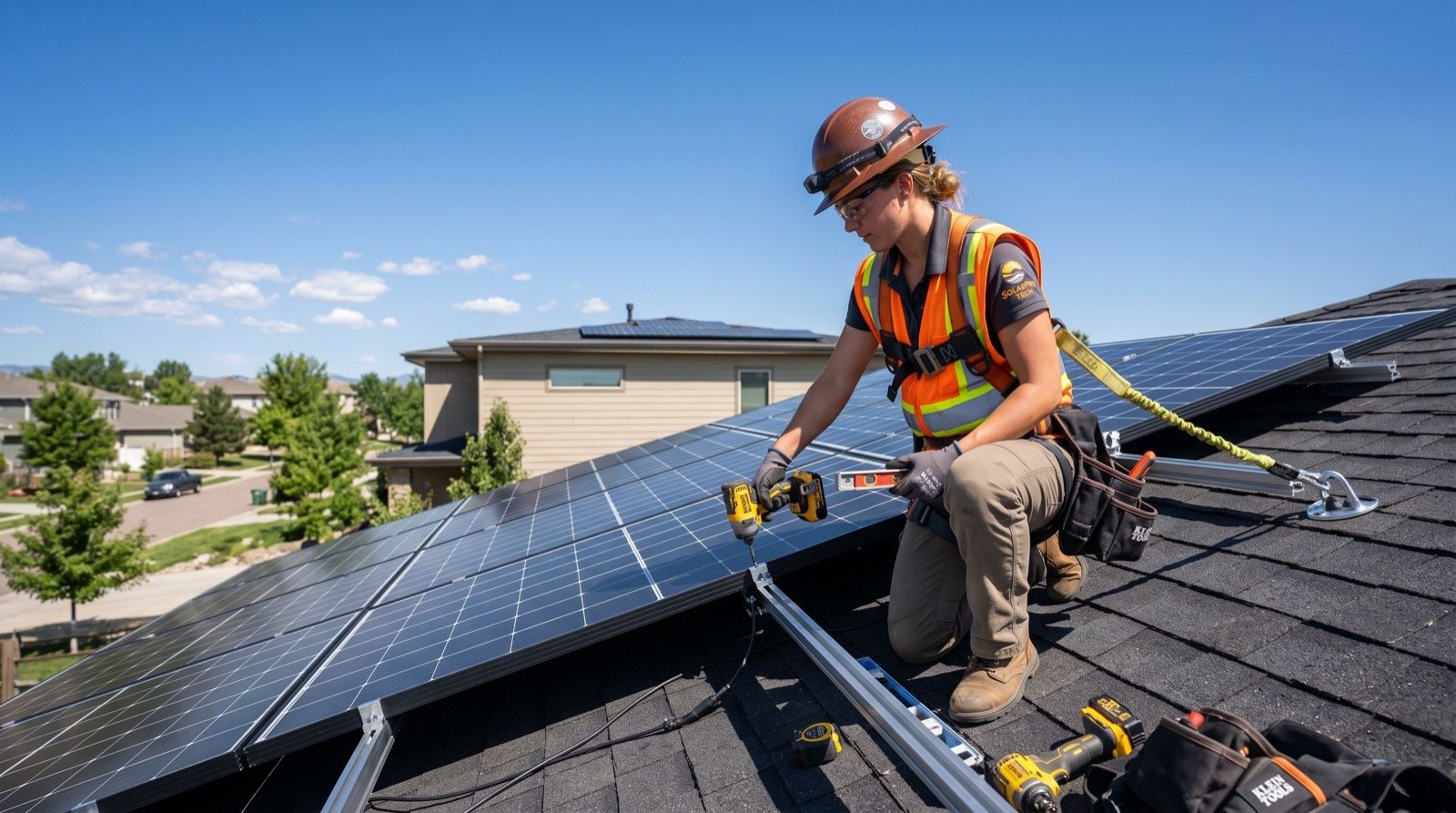

Solar Net Metering in Pakistan: How to Slash Your Bill in 2026
Solar net metering in Pakistan is the quiet superpower that turns a good rooftop system into a great one. It lets you send surplus daytime electricity to the grid, earn credit for it, and draw that credit back at night. For thousands of families in 2026, this single arrangement is the difference between a bill that stings and one that barely registers.
Yet most buyers still misunderstand how it works, how to apply, and how it interacts with their equipment. This guide clears the fog with plain explanations, a real comparison table, and step-by-step application advice drawn from actual installs.
What Is Solar Net Metering in Pakistan?
Net metering is a billing system that measures the difference between the electricity you import from the grid and the surplus you export. Your meter effectively runs both ways. When your panels overproduce at noon, the extra units flow outward and build credit. At night, you consume those credits instead of paying full tariff.
NEPRA introduced the framework to encourage rooftop solar, and distribution companies like GEPCO, LESCO, and K-Electric administer it in their regions. The policy applies to systems from 1 kW up to 1 MW, which covers nearly every home and small business.
The financial logic in one paragraph
Without net metering, surplus midday power simply vanishes and you gain nothing. With it, that surplus becomes a stored asset. As a result, payback periods often shrink by nine to twelve months, and self-consumption ratios climb dramatically. The grid becomes your free, maintenance-free battery.
Grid-Tied Versus Off-Grid: A Quick Comparison
Net metering only works with grid-tied or hybrid systems. The table below shows why that distinction matters for your wallet.
| Feature | Grid-Tied (Net Metered) | Off-Grid (Battery) |
|---|---|---|
| Upfront cost | Lower | Higher (batteries add cost) |
| Surplus handling | Exported for credit | Wasted once batteries fill |
| Backup during outage | Only if hybrid | Yes |
| Maintenance | Minimal | Battery upkeep required |
| Best for | Urban homes, shops | Remote farms, no grid |
Because inverter choice determines whether you can even apply, buyers should check compatible models and the current solar inverter price in Pakistan before committing. A net-metering-ready hybrid inverter costs more upfront but unlocks both grid credit and outage backup.
How Do You Apply for Net Metering?
The paperwork intimidates people, but the sequence is predictable. A competent installer handles most of it for you.
- Install a system between 1 kW and your sanctioned load limit.
- Gather your CNIC, latest bill, and property documents.
- Submit the net-metering application to your distribution company.
- Pass the site inspection and load verification.
- Receive the bidirectional meter and generation licence.
- Sign the three-year agreement and start banking credits.
Documentation errors cause most delays, so double-check names and sanctioned load figures before submission. In cities like Sialkot, experienced teams offering a solar company in Sialkot service know the local GEPCO process and shorten approval times noticeably.
Common approval mistakes to avoid
- Applying with a system larger than your sanctioned load.
- Using an inverter that lacks required protection certifications.
- Submitting mismatched names on the bill and the CNIC.
- Skipping the earthing and safety requirements the inspector checks.
Working with quality service providers who prepare the file correctly the first time saves weeks of back-and-forth with the utility office.
How Much Can Net Metering Actually Save?
Savings depend on your consumption pattern, but the effect is real and measurable. A well-sized 10 kW net-metered home in Punjab commonly offsets 80 to 100 percent of its annual bill. During high-generation months, some owners even accumulate surplus credit that carries into winter.
According to the World Bank’s analysis of Pakistan’s power sector, distributed rooftop solar is among the fastest routes to reducing household energy costs while easing grid pressure. The World Bank and the national regulator, the National Electric Power Regulatory Authority, both publish data supporting the long-term value of grid-tied solar.
How Net Metering Interacts With Batteries
Many buyers assume net metering and batteries are rivals, but they actually complement each other in a hybrid setup. Net metering banks your surplus with the grid, while a small battery covers you during outages. Together they deliver both savings and resilience.
In practice, a modest battery sized for essential loads keeps your fans, lights, and internet running when the grid drops, while the panels and net metering handle the bulk of your energy economics. This hybrid approach suits areas where outages remain common yet the grid is usually available. You avoid the huge battery bank an off-grid home needs, which keeps costs sensible.
Sizing the battery sensibly
Resist the urge to oversize batteries. A large bank sits idle most of the day and adds significant cost with slow payback. Instead, size it for your critical loads over a typical outage window. As a result, you capture the resilience benefit without wrecking the economics that net metering worked so hard to improve.
Monitoring your credits over the year
Treat your net-metering credit like a seasonal savings account. Summer months build surplus thanks to long, bright days, while winter draws that credit down. Reviewing your bidirectional meter readings each month helps you spot billing errors early and confirm the utility is crediting exports correctly. A quick monthly check keeps the utility honest and your savings on track.
Frequently Asked Questions
Is solar net metering in Pakistan still available in 2026?
Yes. Net metering remains active nationwide under the NEPRA framework, administered by regional distribution companies. Terms can be revised over time, so confirm current tariffs before applying.
Do I get cash for my exported units?
Generally no. You receive credit that offsets your imported units rather than a direct cash payment. Any unused credit typically carries forward and settles annually.
Can I add net metering to an existing solar system?
Often yes, provided your inverter is grid-tie certified and your system meets safety standards. Some older off-grid setups need an inverter upgrade first.
How long does approval take?
Most applications clear within three to eight weeks, depending on your distribution company’s inspection backlog and how complete your documents are.
Conclusion and Next Step
Adopting solar net metering in Pakistan is the smartest way to stretch every rupee you invest in panels. It converts wasted midday surplus into real credit, shortens payback, and rewards you for years. Choose a net-metering-ready inverter, prepare your documents carefully, and lean on a certified local team to handle the utility paperwork. Ready to start banking free power? Contact a qualified installer this week and get your net-metering application moving before winter.